Just like your car, your body needs fuel. And just like fuel, there are different grades of food. For example, a Fiber One bar would be unleaded, a homemade granola bar would be mid-grade and a bowl of oats and berries would be premium. The less additives in your food, the more nutrition it will retain.


Macronutrients are the main components of our diet. They are broken down into three groups: Protein, fat, and carbohydrates. In my previous post, Clean Eating: When, How much and What to Eat, I listed example of these three categories.
These Macronutrients can be broken down further as described the Wikipedia's list of Macronutrients.
Protein: Amino Acids; Fats: saturated, polysaturated, monosaturated, and essential fatty acids; Carbohydrates: Glucose, fructose, sucrose, etc.
Why are Macronutrients important? Just like in the example of putting the best fuel in your car for optimal performance, putting the right ratio of nutritious foods in your body will also assist you to look, feel and perform better.


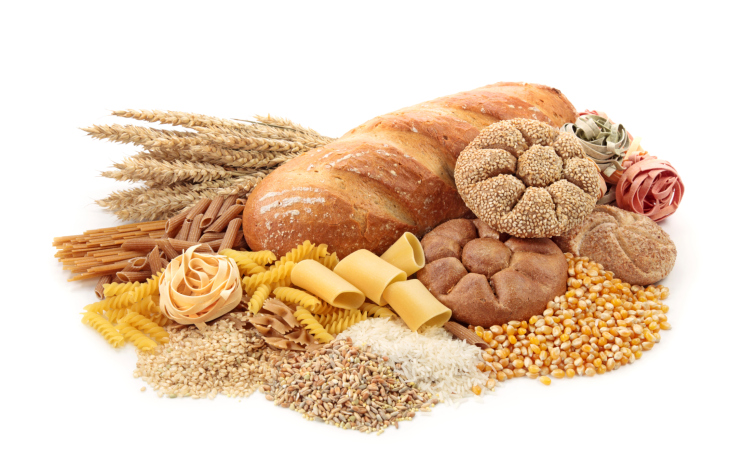
Haha! So I just liked this photo, but it is just a tad bit over simplified. Not all protein and fat sources are from animals. A good general rule is to divide your calories into these percentages: 30% protein, 15-20% fat, 50-55% carbohydrates.
I like to fill 50% of my plate with a rainbow of colors: tomatoes, peppers, broccoli, kale, carrots, etc. Heap on those vegetables. They will help to fill you up with Premium fuel!!!
I like to fill 50% of my plate with a rainbow of colors: tomatoes, peppers, broccoli, kale, carrots, etc. Heap on those vegetables. They will help to fill you up with Premium fuel!!!
I have heard many fitness buffs refer to their nutrition break down as "macros." When they use the term macros, they usually aren't referring just to carbs, proteins and fats, but they are also breaking these down even further to key minerals and vitamins (these are micronutrients). Unless you are taking a multivitamin or drinking a meal replacement shake, like Shakeology, you are probably missing out on some these essential nutrients.

I didn't start worrying about my "macros" very much, until I found out that my iron levels were lower than they should be. I usually workout in the morning and evening- cardio for one workout and strength training for the other- and I have to be careful that I'm getting enough protein. Not only just protein, but also iron and branch chain amino acids. I have quit throwing away my egg yolks and started adding spinach to my smoothies. I feel so much better when I keep my sugars low, my protein around 100 grams and focus on eating foods that are a good source of iron.

If you aren't seeing the results that you want or you feel run down a lot, it might be beneficial to track your food. Apps, such as My Fitness Pal, are easy to use. My Fitness Pal provides a breakdown of fats, cholesterol, sodium, potassium, carbs, protein, Vitamins A & C, Calcium and Iron. You don't have to do this forever. Tracking your normal diet for a few days will give you an idea of where you might be needing to add or subtract certain foods.
Also consider adding a multivitamin and/or Shakeology to provide the "macros" that your diet may be lacking. Putting a little bit of time and effort into your nutrition will pay off in the end when you look, feel and perform better than you ever have before.
Here's some more information on Macronutrients.
How to count your macronutrients (a guide for beginners)