When
 I was brought up to eat 3 meals a day and this was a hard habit for me to break. It takes 21 days to break a habit, so for the next 3 weeks set a timer on your phone or watch to remind you when to eat. For instance, I usually eat my meals at 7 am, 10 am, 12:30 pm, 3 pm and 6 pm. Set your timer for similar times (depending on when you wake up) and plan your meals for these times.
I like to eat my Starchy Complex Carbohydrates earlier in the day when I'm more active. I usually have oatmeal for breakfast and then rice, quinoa, or pasta with lunch. Occasionally, I will eat a SCC with my dinner, but often I will opt for a vegetable instead and then save the SCC for lunch the next day. This is one of the ways that I adapt what I make for my family to meet my requirements. Also if I'm going to workout in the evening, I might eat another SCC for my afternoon snack.
How Much
Remember portion size too! Here's a great video by the Clean Eating Queen, Tosca Reno.
What to eat
One of the Clean Eating Rules is to pair lean proteins with complex carbohydrates.
When you combine LP and CC every three hours,
you are encouraging your body to burn fat and boost your metabolism.
Lean protein: 5-6 servings daily
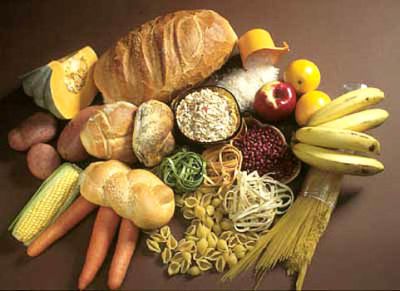
Starchy Complex Carbs: 2-3 servings daily
Complex Carbs from fruits and vegetables: 5-6 servings daily
Healthy Fats: 2-3 servings daily
Lean Protein:

- Boneless, skinless chicken or turkey breast
- Egg (I eat the whole egg, because those yolks are packed with nutrients)
- Fish such as salmon and tuna
- Shakeology
- Tofu
- *Nuts such as unsalted cashews, peanuts, almonds, walnuts
- *Hummus
- Cottage Cheese
- Greek Yogurt (plain with no fruit on the bottom)
- *Nut butters
- *seeds such as pumpkin, sunflower, chia
- Beans of all kinds
- *Avocado
 *Healthy fats. These can be confusing- are they a protein or a fat??? I count nuts, seeds, avocados as both a fat and a protein. What does that mean? It means that if I eat almonds and an apple for a snack then I count that as my LP+CC, but it's also uses up one of my servings of fat for the day.
Other healthy fats include olive oil and coconut oil.
- Carrots
- Cucumbers
- Zucchini
- Celery
- Tomatoes
- Green Beans
- Peas
- Asparagus
- Broccoli
- Cauliflower
- Apples
- Cherries
- Grapes
- Peaches
- Strawberries
- Blueberries
- Oranges
- Pineapple
- Pears
- Raspberries and blackberries
- Mushrooms
- Peppers
- Brussels Sprouts
- Leafy Greens
- Spinach

- whole grain bread
- oatmeal
- whole grain pasta
- brown rice
- couscous
- *quinoa
- whole grain tortilla
- *teff
- bananas
- potatoes
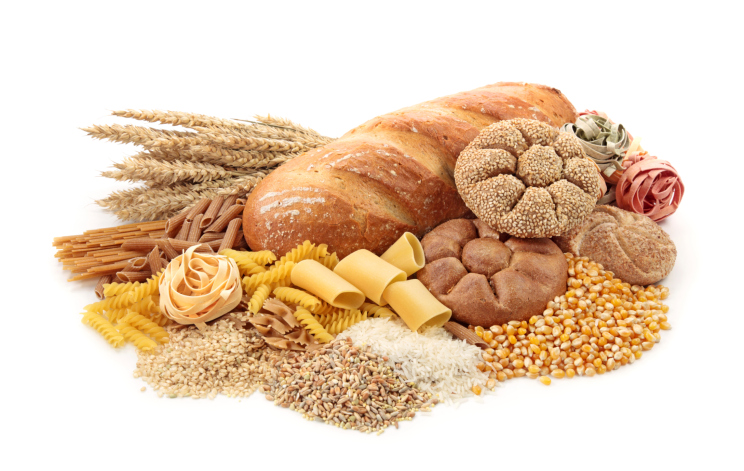
*Also tricky. Some SCC are also high in protein, such as quinoa and teff. I do the same with these as fats. I may have quinoa(LP) and blueberries(CC) as a pre-workout snack, but I count the quinoa as one of my SCC for the day and add in some nuts for a little more protein.
Here's some more info