Showing posts with label beans. Show all posts

Sunday, April 6, 2014

Clean Eating: When, How Much, and What to eat


When 
I was brought up to eat 3 meals a day and this was a hard habit for me to break.  It takes 21 days to break a habit, so for the next 3 weeks set a timer on your phone or watch to remind you when to eat.  For instance, I usually eat my meals at 7 am, 10 am, 12:30 pm, 3 pm and 6 pm.   Set your timer for similar times (depending on when you wake up) and plan your meals for these times.

I like to eat my Starchy Complex Carbohydrates earlier in the day when I'm more active.  I usually have oatmeal for breakfast and then rice, quinoa, or pasta with lunch.  Occasionally, I will eat a SCC with my dinner, but often I will opt for a vegetable instead and then save the SCC for lunch the next day.   This is one of the ways that I adapt what I make for my family to meet my requirements.  Also if I'm going to workout in the evening, I might eat another SCC for my afternoon snack.  

How Much
Remember portion size too!  Here's a great video by the Clean Eating Queen, Tosca Reno.


What to eat
One of the Clean Eating Rules is to pair lean proteins with complex carbohydrates.   
When you combine LP and CC every three hours, 
you are encouraging your body to burn fat and boost your metabolism.  

Lean protein: 5-6 servings daily
Starchy Complex Carbs: 2-3 servings daily
Complex Carbs from fruits and vegetables: 5-6 servings daily
Healthy Fats: 2-3 servings daily

Lean Protein:  

  • Boneless, skinless chicken or turkey breast
  • Egg (I eat the whole egg, because those yolks are packed with nutrients)
  • Fish such as salmon and tuna
  • Shakeology
  • Tofu
  • *Nuts such as unsalted cashews, peanuts, almonds, walnuts
  • *Hummus
  • Cottage Cheese
  • Greek Yogurt (plain with no fruit on the bottom)
  • *Nut butters
  • *seeds such as pumpkin, sunflower, chia
  • Beans of all kinds
  • *Avocado
*Healthy fats.  These can be confusing- are they a protein or a fat???  I count nuts, seeds, avocados as both a fat and a protein.  What does that mean?  It means that if I eat almonds and an apple for a snack then I count that as my LP+CC, but it's also uses up one of my servings of fat for the day.  
Other healthy fats include olive oil and coconut oil.

Complex Carbs from fruits and vegetables:  
  • Carrots
  • Cucumbers
  • Zucchini
  • Celery
  • Tomatoes
  • Green Beans
  • Peas
  • Asparagus
  • Broccoli
  • Cauliflower
  • Apples
  • Cherries
  • Grapes
  • Peaches
  • Strawberries
  • Blueberries
  • Oranges
  • Pineapple
  • Pears
  • Raspberries and blackberries
  • Mushrooms
  • Peppers
  • Brussels Sprouts
  • Leafy Greens
  • Spinach
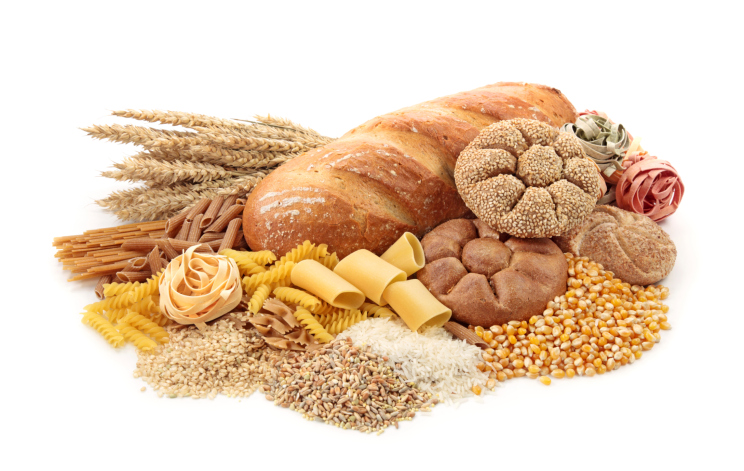
Starchy Complex Carbs:  
  • whole grain bread
  • oatmeal
  • whole grain pasta
  • brown rice
  • couscous
  • *quinoa
  • whole grain tortilla
  • *teff
  • bananas
  • potatoes
*Also tricky.  Some SCC are also high in protein, such as quinoa and teff.  I do the same with these as fats.  I may have quinoa(LP) and blueberries(CC) as a pre-workout snack, but I count the quinoa as one of my SCC for the day and add in some nuts for a little more protein.  

Here's some more info 


Monday, March 3, 2014

Has Clean Eating made you GASSY?

I'm not sure if it's because I am a very forthcoming person or because I'm an RN (I spent 9 years working for Gastroentrologists) or because I just know a lot of gassy people, but it seems like whenever I talk to someone about clean eating we end up talking about gas and bloating.  

What causes gas and bloating?  There are many foods, clean and processed that may contribute to an increase in gas and bloating when you are changing your diet.  Salt, sweets and sugar alcohols all can cause gas and bloating and should be avoided.  But what about all of these "clean" foods that I have been encouraging you to eat?  Should they be avoided too?  Not necessarily.  These foods are nutritious and nutrient dense and offer up variety to your diet.  

SALT
Frozen dinners and processed foods such as canned soups and vegetables, bottled salad dressings, condiments and sauces are all high in salt. Salt attracts water, causing water retention and bloating.

Sugar Alcohols
Sugar alcohols are difficult for your body to digest, which can lead to gas and bloating.  Sugar alcohols include mannitol, maltitol and sorbitol. Be weary of foods that are labeled low sugar or sugar-free, because they often contain these sugar alcohols. 

Sweets 
Fructose in granulated sugar, honey, high-fructose corn syrup, and agave syrup and chocolate tend to cause more gas and bloating in many individuals.

Starchy foods 
Starchy carbohydrates attract water at a higher rate than protein does. If you’re bloated after eating starchy carbs such as pasta, cereal, rice or other grains, consider cutting back on the serving size.  One serving of starchy carbs is the size of your palm.  

Vegetables
We all know that vegetables can also cause gas and bloating.  When you start to add in more of these nutrient dense foods, your body may revolt.  Add these foods slowly into your diet, especially broccoli, brussels sprouts, cabbage, cauliflower, collard, turnip and mustard greens, kale, and onions.  


Legumes
Beans, beans the magical fruit, the more you eat, the more you . . . !  Legumes include all types of beans, lentils and peas.  

Fiber Supplements & Added Fibers 
Inulin (found in Fibersure) and Psyllium (found in fiber supplements such as Metamucil, Konsyl).   Fiber can be great for people that suffer from constipation, but in some people all they do is cause bloating and excess gas. 

Dairy
Some people may be sensitive or intolerant to lactose products, such as milks, cheeses and yogurt.

Non-food causes of gas
Swallowing air can cause you gas and bloating.  There are some behaviors that may cause you to take in more air such as using a straw, chewing gum, having carbonated drinks, talking while eating, and eating too quickly. 


What can you do to decrease gas and bloating
  1. Drink 1/2 your body weight in ounces of water each day.  Water helps to flush out salt and keeps you GI tract moving
  2. Cooked vegetables tend to cause less gas than raw vegetables.  The cooking process helps to break down some of the fiber so your body won't have to work as hard to digest it. 
  3. Ease into adding legumes and vegetables into your diet if you are experience gas and bloating
  4. Drink herbal teas that contain ginger, peppermint or fennel 
  5. Avoid combining food that tend to cause gas with foods that are high in fat. 
  6. Exercise daily.  Exercise will aid in the function of your digestive system and the production of gas. Activities such as walking may help to move gas through your system, decreasing bloating
  7. Set your fork down between each bite, don't rush eating.  
  8. Don't talk while you are eating.
  9. Keep a food Journal.  By writing down everything that you eat and drink and then noting whether or not you feel discomfort afterward, may help you to see a pattern of which foods you are more sensitive to. 
  10. Cut out carbonated drinks.
  11. Don't drink with a straw or chew gum
  12. Cut out all dairy for a few weeks to determine if you have a lactose sensitivity or intolerance.

Some supplements may also help: 

  • Beano, if taken right before eating gassy foods, may help in the digestion of vegetables, legumes and grains.
  • Probiotics, which contain “good” bacteria, may prevent or reduce gas because they assist in providing a healthy balance in your digestive system.
Other foods that may prevent gas
  • Raw honey
  • Peppermint
  • Cinnamon
  • Pineapple


Thursday, February 13, 2014

Black Beans and Rice

What's for dinner? 
I made this recipe as a side dish for dinner last night and I had the leftovers with some steamed veggies for lunch today. 

Black beans and rice

1 cup brown rice (cook per instructions)
1 can low sodium black beans, rinsed and drained
1/2 tsp extra virgin olive oil
1/4 tsp chili powder
1/8 tsp cumin
1/2 tsp ground coriander
1 tsp Bragg liquid aminos or low sodium soy sauce
1/2 cup corn
1/4 cup pico de gallo

Mix ingredients together and top with guacamole.
Makes 2 main dish servings

Our family version of guacamole is mashed up avocado with a pinch of sea salt and garlic powder. My daughter is the one that makes it for us and we all love it!